Functional impact
Night glare, reduced contrast, difficulty with low light, and a daily activity limitation are common decision drivers.
An encyclopedia style guide to cataract surgery: how timing decisions are made, how lens options differ, and what recovery typically looks like.
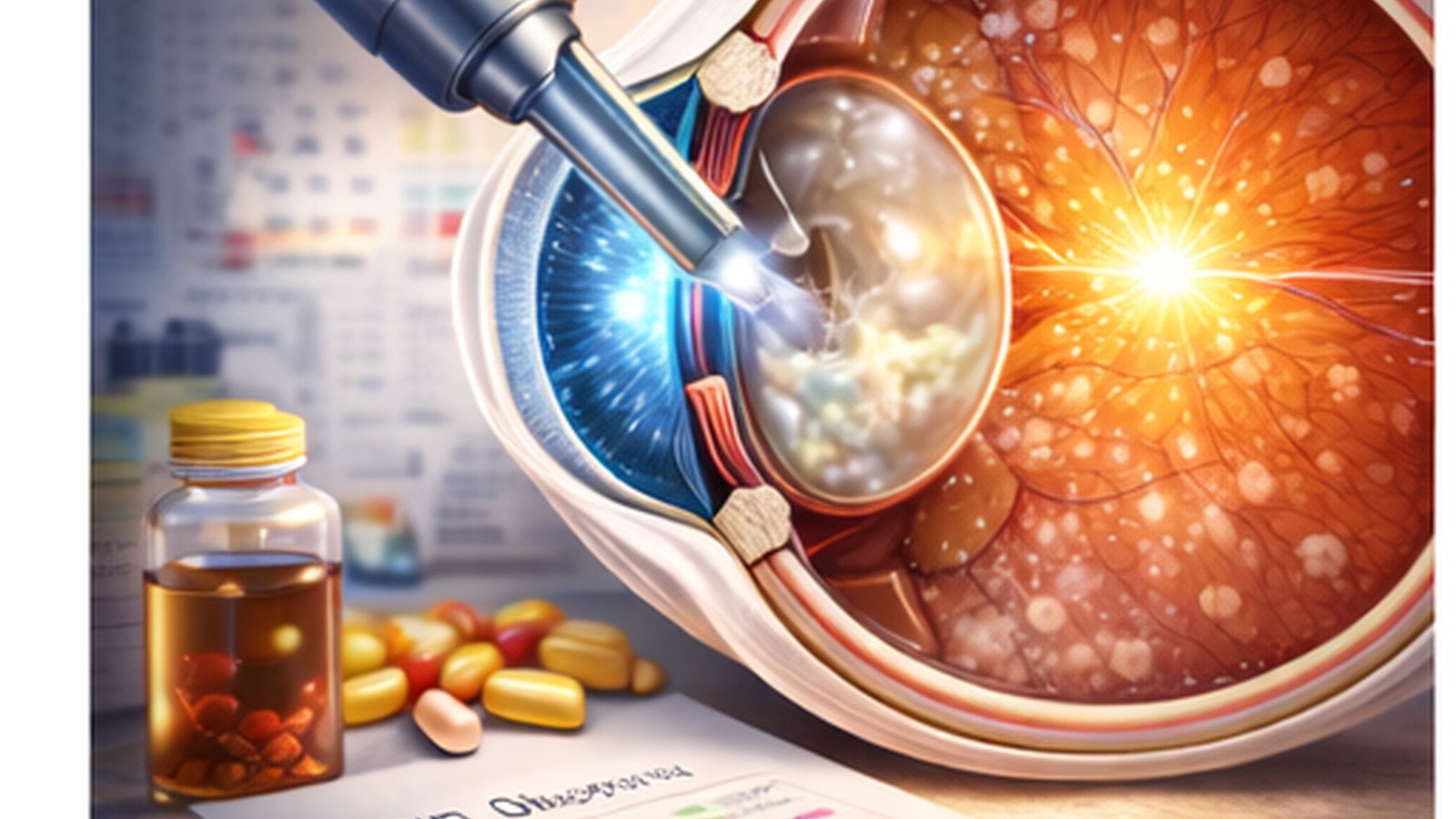
It replaces the natural lens, restoring optical clarity and changing refractive options.
Cataract surgery removes the eye’s natural lens when it becomes optically degraded and replaces it with an artificial intraocular lens (IOL). Cataract is often described as clouding, but the practical issue is reduced optical quality. Contrast drops, glare increases, and colors can look muted. Many people describe the world as dimmer or washed out, especially in low light.
Cataracts are common with aging, but the timing of surgery is individualized. The best decision point is usually functional limitation. If glare prevents safe night driving, or if reading, work, or hobbies have become reliably difficult, the benefit side of the equation grows.
The key question is impact, plus whether the eye has other conditions that affect expected outcomes.
Most people are candidates when cataracts are limiting. What changes is the expected outcome profile. For example, a person with macular disease can still benefit substantially, but the ceiling on sharp central detail may be limited by the retina. This is why surgeons often emphasize realistic expectations and preoperative testing.
Night glare, reduced contrast, difficulty with low light, and a daily activity limitation are common decision drivers.
Macular degeneration, diabetic retinopathy, corneal irregularity, and glaucoma can alter expected visual quality after surgery.
Modern planning uses measurements to select lens power and to address astigmatism. Accurate measurement is central to refractive satisfaction.
Most frustration comes from a mismatch between lens strategy and lifestyle tasks.
Lens options are often described as a menu. In real life, each option emphasizes a different set of priorities. Monofocal lenses usually deliver strong quality at one distance with fewer optical artifacts. Toric lenses are monofocal lenses that also correct astigmatism. Multifocal and extended depth of focus designs can reduce reading glasses dependence for some people, but they can introduce night vision artifacts in some settings.
Many people feel improvement quickly, but stabilization is a process.
After surgery, vision commonly improves within days, but fluctuations can persist while the eye stabilizes. The surface can be dry or irritated, and drops are commonly used. Some people need additional refractive refinement after healing, such as glasses for a specific distance or a laser touch up in selected cases.
The most important recovery questions are practical. When can you drive? When can you return to work? What restrictions apply to lifting and dusty environments? Those answers vary by clinician preference and by risk factors, but a clear plan is part of good care.
Most risks are uncommon, but they inform follow up and warning signs.
Rare but serious. The reason for drops and follow up visits is early detection and prevention.
Certain people have higher risk for retinal tears or detachment. Know your risk profile and warning symptoms.
Even with modern measurements, the final refractive result can differ from the target. Ask how it is handled if it happens.
These focus on your goals and your risk profile.