Where evidence tends to be strongest
Narrow tasks with standardized imaging, clearly defined labels, and measurable outcomes such as improved screening throughput or earlier referral for disease.
A practical lens on innovation in eye care, with an emphasis on evidence quality and real world use.
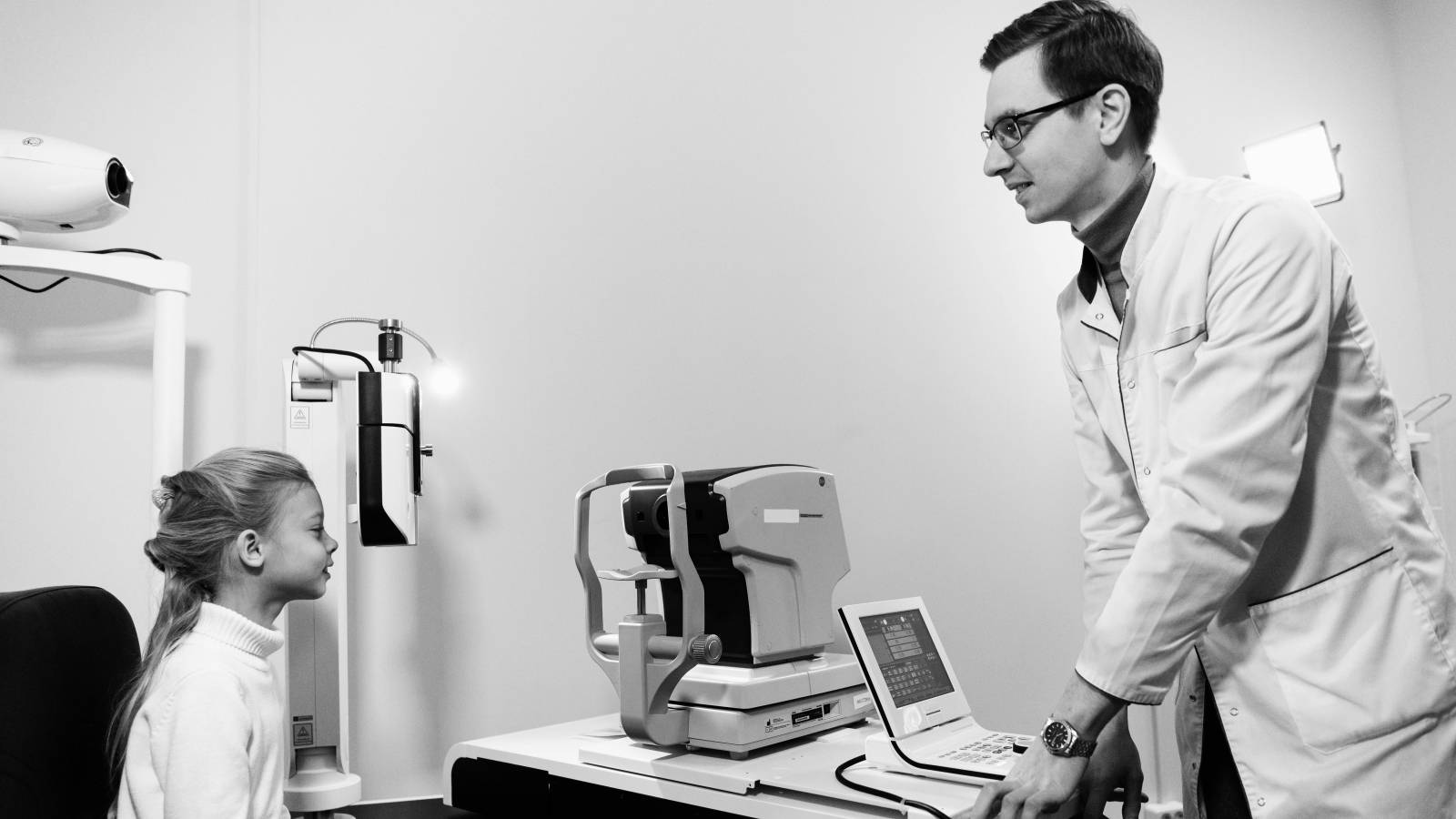
In eye care, marketing often runs ahead of clinical reality. A reliable read separates measurement, meaningful outcomes, and who actually benefits.
Many technologies create impressive images or generate precise measurements. The clinical question is what the measurement changes. Does it improve early detection, change the treatment plan, reduce risk, or improve functional vision? A device can be scientifically interesting and still have limited impact in routine care.
This page focuses on three things: (1) what the technology does in plain language, (2) where evidence is strongest, and (3) what patients can ask to avoid hype. Related foundations live in Conditions and Procedures.
Pattern recognition can scale access. Clinical responsibility still stays human.
AI systems in eye care are most commonly used for image based tasks such as screening for diabetic retinopathy or flagging suspicious findings in retinal photos. In the best cases, these systems help identify who needs care sooner, especially in settings where specialists are scarce. AI is less about replacing clinicians and more about sorting large volumes of data.
The core limitation is context. An algorithm can identify patterns but does not own the full clinical story, such as symptoms, risk factors, medications, or the consequences of a false positive or false negative result. That is why AI is often positioned as decision support, not decision authority.

Narrow tasks with standardized imaging, clearly defined labels, and measurable outcomes such as improved screening throughput or earlier referral for disease.
Generalizing poorly across populations or camera types, missing rare presentations, and producing results that sound confident without being reliable in edge cases.
Ask what the AI output changes. Does it trigger referral, change follow up timing, or change treatment?
High resolution structure maps that guide modern retina and glaucoma care.
Optical coherence tomography (OCT) is a noninvasive imaging method that creates cross sectional views of ocular structures. It is widely used to evaluate the retina and the optic nerve. OCT is often described as “an MRI like scan for the eye,” but the useful part is what it enables: tracking small structural changes over time and aligning treatment decisions with measurable anatomy.
Imaging is not a substitute for clinical reasoning, but it can make subtle disease visible earlier and can help monitor response to treatments. Many modern management plans for macular disease and glaucoma are built around OCT plus functional tests.
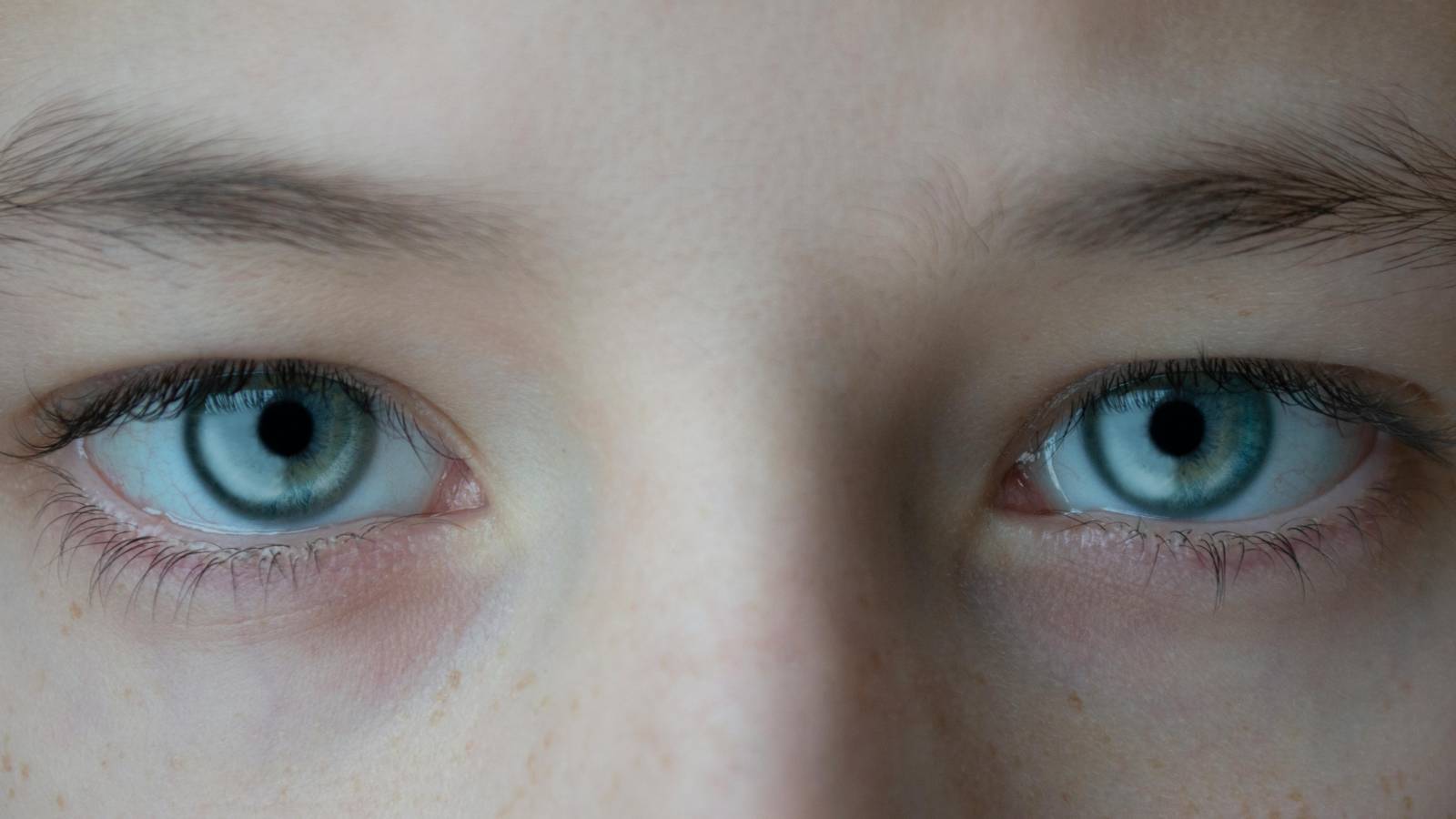
A real shift in medicine, with strict eligibility and careful expectations.
Gene therapy aims to address specific genetic causes of disease. In ophthalmology, the eye is a practical target because it is relatively accessible, and outcomes can be measured. The promise is meaningful for some inherited retinal diseases, but it is not a general cure for vision loss. Candidacy usually depends on the exact diagnosis, genetic testing, and the stage of disease.
The most important concept is specificity. The term “gene therapy” is broad, but real clinical therapies are usually targeted to specific genes and specific diseases. When a claim sounds generic, it often is.

Better drugs, longer duration, and new ways to deliver therapy.
Retina care has advanced rapidly through targeted drug classes, especially therapies that reduce abnormal vessel growth and leakage in macular disease. Another active area is delivery: extending how long a treatment lasts, reducing injection frequency, and improving convenience while maintaining outcomes. Not all “longer lasting” approaches perform the same in real life, so the best measure is clinical outcomes over time, not marketing labels.
If you want an orientation to why injection schedules matter and what they are targeting, see Retina injections in plain language.
Sensors, smart lenses, and tools that shift some monitoring out of the clinic.
Home monitoring is attractive because many eye diseases change slowly and are best managed by trend tracking. In practice, the challenge is signal quality. Devices need to be easy to use, reliable across lighting and user behavior, and linked to a clear clinical action. When those pieces align, home monitoring can improve detection of change and reduce unnecessary visits.

This turns a trend into a decision.
For care navigation, records, and second opinions, see Care Guide.
Short answers with enough context to be useful.
No. Newer can mean less long term safety data, less real world performance data, or narrower eligibility. The right question is whether outcomes are better for your specific condition and stage.
Because measuring something is not the same as improving outcomes. The key is whether the measurement changes treatment decisions or timing in a way that improves long term function.
Clear diagnosis, consistent monitoring, and a plan that ties tests to decisions. Technology should serve the care plan, not replace it.